New Research Explores Alternative Forms of Hormone Therapy for Prostate Cancer
May 8, 2026
A newly published study is bringing attention to something many prostate cancer patients and caregivers have quietly struggled with for years:
How do we better protect quality of life during hormone therapy?
Androgen deprivation therapy (ADT) is commonly used to treat advanced or recurrent prostate cancer. While these treatments can be very effective in controlling the disease, many men and their partners experience difficult side effects that can affect daily life, relationships, emotional wellbeing, intimacy, sleep, energy, and overall quality of life.
Many caregivers recognize these changes immediately.
Partners often describe feeling as though the person they love has emotionally withdrawn, become exhausted, or changed in ways neither of them expected. These experiences can place enormous strain on both members of a couple.
The newly published study, “Transdermal estradiol for prostate cancer: how do patients compare it to other options for androgen deprivation therapy?”, explored how prostate cancer patients feel about an alternative form of hormone therapy called transdermal estradiol (tE2).
Transdermal estradiol delivers estrogen through patches, creams, or gels applied to the skin.
The research builds on findings from the PATCH/STAMPEDE clinical trials in the United Kingdom, which found that transdermal estradiol may provide prostate cancer control comparable to standard ADT while also offering improved quality of life for some patients.
In this newly published survey:
• More than 800 prostate cancer patients participated.
• More than 95% believed transdermal estradiol should be available as a standard treatment option.
• Many participants expressed frustration with the side effects of traditional ADT.
• Interest in alternative options was especially high among men who had not yet started hormone therapy.
• Many participants reported they would be willing to seek additional physicians or pay out of pocket in order to access transdermal estradiol treatment.
One of the most important themes emerging from this work is the growing recognition that quality of life matters.
For many couples, the emotional and physical effects of hormone therapy become part of everyday life. Sleep disruption, fatigue, emotional distance, loss of libido, depression, hot flashes, and cognitive changes can affect not only the patient, but also the partner standing beside him.
This research does not mean one treatment is right for everyone.
Every treatment decision is personal and should always be discussed with a qualified medical team familiar with a patient’s medical history and cancer situation.
But studies like this matter because they reflect something many caregivers and patients have been saying for years:
Cancer control matters.
Quality of life matters too.
I appreciate the work of the Estradiol Initiative and researchers including Richard Wassersug for helping bring attention to these important conversations.
Published Study:
“Transdermal estradiol for prostate cancer: how do patients compare it to other options for androgen deprivation therapy?”
🌻 Debra Othman
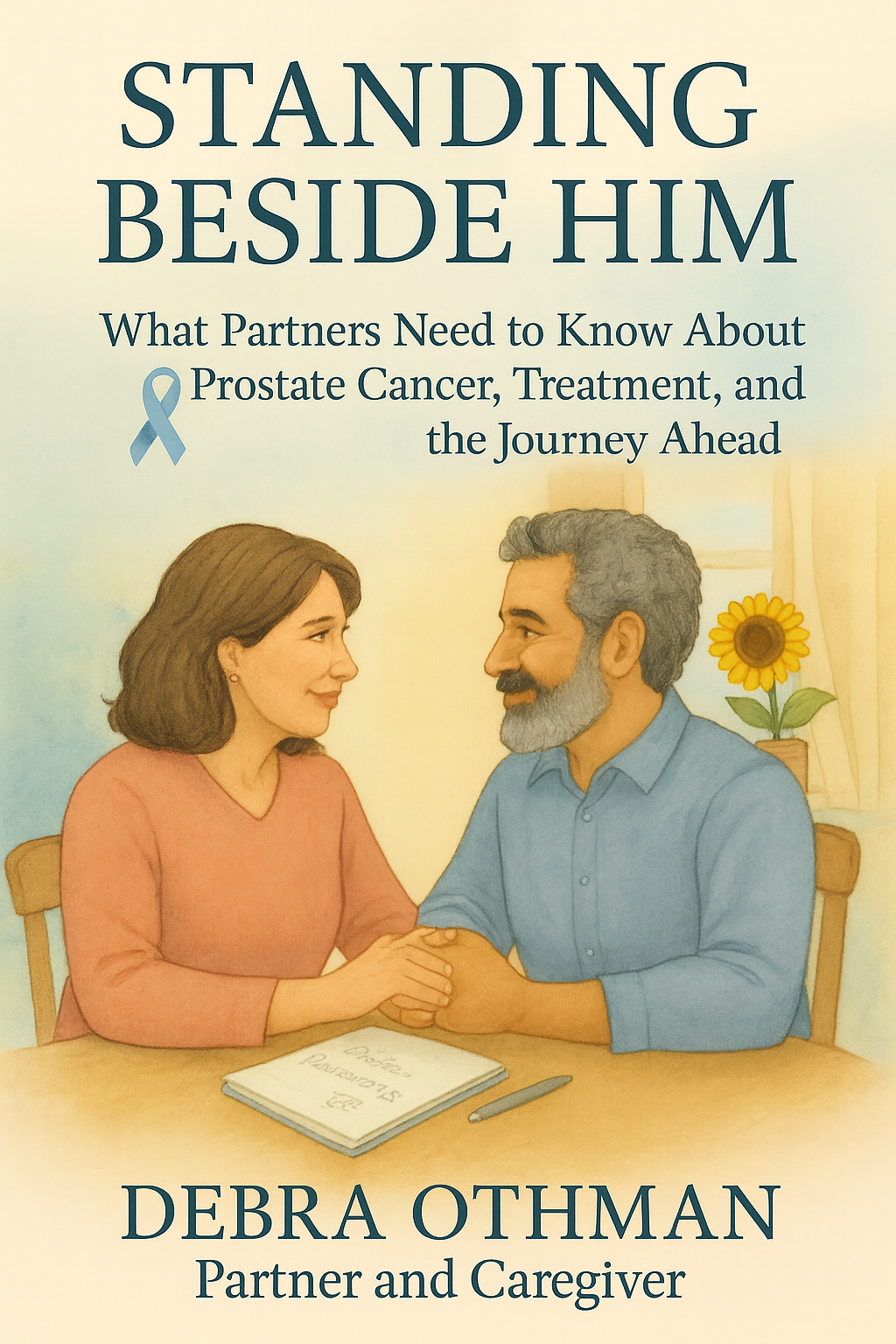
Partner, Advocate, and Author of Standing Beside Him